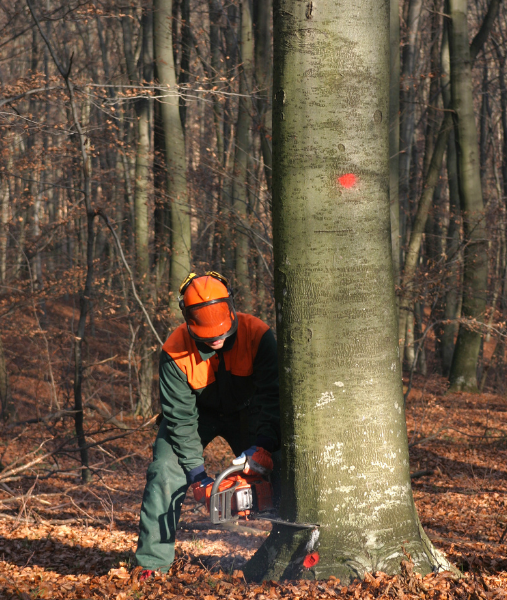
Storms can wreak havoc on trees, leaving behind broken branches, split trunks, and, in many cases, complete uprooting. When a tree has suffered significant storm damage and must be removed, many property owners stop at the point of felling. However, what’s left behind — the tree stump — can pose ongoing problems that extend beyond appearance. At Faversham Tree Surgeons in Faversham, Kent, we understand that full removal, including stump grinding, is essential for maintaining safety, preventing regrowth, and protecting the surrounding landscape.
The Hidden Risks of Leaving a Stump Behind
A fallen or damaged tree may look like it’s no longer a concern once the trunk and branches have been cleared, but the remaining stump can create a range of practical and environmental issues. Failing to remove it properly can lead to complications that affect your property’s safety, appearance, and long-term health.
1. Safety Hazards
Tree stumps are often overlooked trip hazards, especially in lawns, gardens, or public spaces. Grass and weeds can quickly grow around them, making them difficult to spot. For properties with children, visitors, or regular maintenance work, an exposed stump poses a serious risk of injury or damage to equipment such as mowers.
2. Unwanted Regrowth
Even after the main tree has been removed, some species continue to regenerate from the stump. These shoots may appear harmless at first, but they often grow back weak, unsightly, and quickly sap nutrients from nearby soil. Over time, this regrowth can become difficult to control and may interfere with new landscaping or planting plans.
3. Disease and Pest Attraction
Storm-damaged trees are particularly susceptible to disease, and the remaining stump can become a host for decay fungi, mould, and wood-boring insects. These pests may then spread to nearby healthy trees, hedges, or garden plants. In some cases, they can even attract larger pests such as rodents, creating further nuisance and potential structural damage.
4. Root Interference
Even when a stump seems inactive, its root system remains underground and can continue to spread or interfere with nearby plants, patios, and underground utilities. Roots may prevent new turf from establishing or cause uneven ground over time. Stump removal eliminates this ongoing disruption and restores the health and balance of the surrounding soil.
Why Storm-Damaged Trees Need Immediate Attention
Storm-damaged trees often suffer from hidden weaknesses that can compromise their stability. If left standing or partially removed, they may pose a serious risk to nearby structures or people. Even after the visible parts of the tree are removed, the stump remains a living remnant of that instability.
At Faversham Tree Surgeons, we often find that storm-affected stumps deteriorate faster than normal ones due to internal splitting, moisture retention, and root breakage caused by wind stress. This makes them particularly prone to rot and fungal infection — all the more reason to remove them swiftly and completely.
Benefits of Professional Stump Removal
Proper stump removal requires specialist knowledge and the right equipment. Simply cutting a stump to ground level may appear tidy, but it doesn’t resolve the underlying issues. Professional removal ensures the problem is dealt with permanently and safely.
1. Enhanced Safety and Usability
By grinding or removing the stump, the area becomes flat and hazard-free, allowing for safe walking, mowing, or construction work. This is especially valuable in gardens, parks, or business premises where public access is frequent.
2. Preventing Disease Spread
A decaying stump is the perfect breeding ground for harmful fungi such as honey fungus, which can attack nearby trees and shrubs. Removing the stump halts the spread of these diseases and protects the rest of your landscape from long-term harm.
3. Restoring Aesthetic Appeal
A leftover stump can spoil the look of an otherwise tidy garden or landscaped area. Professional removal restores a clean, uniform surface that can be replanted, paved, or left as part of an open lawn.
4. Encouraging Healthy New Growth
By clearing the stump and its root system, nutrients and water in the soil become more accessible to surrounding plants and grass. This supports stronger, healthier growth and prevents competition between living vegetation and decaying wood.
5. Long-Term Property Value
A well-maintained garden or commercial outdoor space adds value to your property. Removing old or storm-damaged stumps ensures that your grounds remain safe, visually appealing, and easy to maintain — qualities that leave a lasting impression.
Methods Used in Professional Stump Removal
At Faversham Tree Surgeons, we use advanced stump grinding equipment to completely remove tree stumps without damaging surrounding areas. Our method involves grinding the stump below ground level, breaking it into fine mulch that can naturally decompose.
The process is:
- Assessment – We inspect the size, species, and condition of the stump to determine the best removal approach.
- Grinding – A high-powered grinder safely reduces the stump and upper roots below the soil surface.
- Clean-up – All debris is removed or repurposed as mulch, leaving the site ready for replanting or landscaping.
- Restoration – The ground can be filled and levelled to blend seamlessly with the surrounding area.
This efficient process minimises disruption, avoids deep excavation, and ensures the area is safe, clean, and usable once again.
Why Stump Removal Is Especially Important After Storms
Storm-damaged trees often experience root upheaval, meaning their stumps are left in an unstable condition. In these cases, stumps are more vulnerable to rot and decay, which can quickly affect soil quality and nearby vegetation. Moreover, compromised stumps can shift or collapse, especially after heavy rain, leading to uneven ground or depressions.
Removing these weakened stumps early prevents future maintenance headaches and ensures the property remains both safe and attractive. At Faversham Tree Surgeons, we prioritise safe, controlled stump removal that restores your landscape’s balance following severe weather damage.
Preventing Future Problems With Regular Tree Maintenance
While storms are unpredictable, regular maintenance greatly reduces the risk of severe damage. Pruning overgrown branches, removing deadwood, and assessing tree health all help to prevent uprooting or breakage during high winds. After every major storm, a professional tree inspection is recommended to identify any weakened or unstable trees before they pose further risks.
Why Choose Faversham Tree Surgeons
Faversham Tree Surgeons in Faversham, Kent, are experts in managing storm-damaged trees, including safe removals and complete stump grinding. Our team combines experience, precision, and care to restore outdoor spaces quickly and effectively. We work with both domestic and commercial clients to ensure that properties remain safe, tidy, and visually appealing throughout the year.
Whether a single tree has fallen or multiple areas require attention, our focus is always on preserving landscape health while ensuring long-term safety.
Conclusion
Removing a storm-damaged tree is only half the job — the stump left behind can still cause safety risks, attract pests, and hinder new growth. Full stump removal ensures your garden or commercial space remains safe, healthy, and ready for replanting or landscaping. For expert tree and stump removal following storm damage, homeowners and property managers can rely on Faversham Tree Surgeons in Faversham, Kent, to restore their outdoor spaces efficiently and professionally.
Call us on: 01795 718991
Click here to find out more about Faversham Tree Surgeons
Click here to complete our contact form and see how we can help with your trees needs.