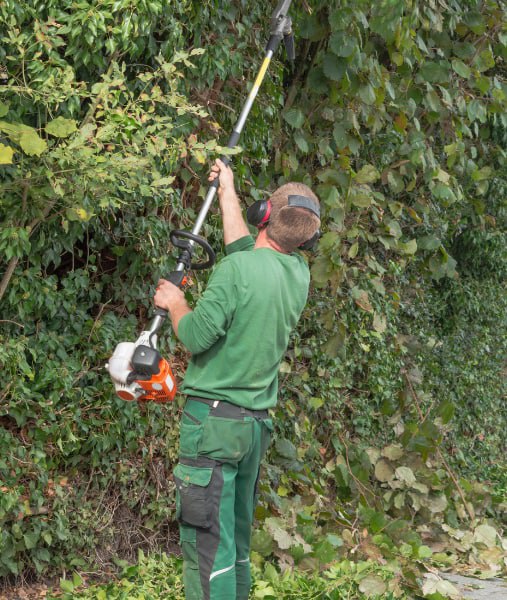
Deadwood is a natural part of a tree’s development, but it can become a concern when branches are positioned above gardens, paths, driveways or frequently used outdoor spaces. Dead branches have lost the living tissue that gives healthy wood flexibility and strength, making them more likely to split or fall without much warning.
Professional tree surgery can identify hazardous deadwood, remove it carefully and assess whether its presence indicates a wider problem. For property owners in Faversham, Kent, timely attention can help maintain a safer, healthier and better-balanced tree.
Why Deadwood Should Be Professionally Assessed
Not every dead branch presents the same level of concern. Its size, condition, height and location all affect the potential risk. A small dead twig within an enclosed part of the crown may require little attention, while a substantial limb extending over a driveway could need prompt removal.
A professional tree surgeon can distinguish between isolated deadwood and deterioration that may be affecting a larger part of the tree. This allows the work to remain proportionate to the tree’s condition and surroundings.
Dead Branches Can Become Unstable
Living branches contain flexible tissues that help them respond to movement caused by wind. Once a branch dies, it gradually dries out and becomes more brittle. Cracks may form around branch unions, while decay can weaken the wood internally.
The branch may remain attached for some time, but its strength will continue to decline. Strong winds are not always required for failure; heavily decayed deadwood can fall during comparatively calm conditions.
Removing unstable branches before they fail gives the work a controlled and planned outcome.
Deadwood Can Affect Garden Safety
The importance of removing deadwood depends heavily on what lies beneath it. Branches positioned over seating areas, entrances, paths and regularly used parts of a garden deserve particular attention.
Even relatively small pieces of falling wood can create a hazard when released from height. Larger branches may also damage fences, sheds, planting or other garden features.
Professional deadwood removal focuses on branches that could affect people, property or access without carrying out unnecessary work elsewhere in the crown.
It May Indicate a Wider Tree Problem
Deadwood can develop through natural shading within a dense canopy, especially where lower or internal branches no longer receive enough light. However, extensive or unusual branch death may indicate another issue.
Possible causes include:
- Physical damage to branches or roots
- Soil compaction around the rooting area
- Drought or prolonged waterlogging
- Disease or decay
- Restricted root development
- Storm damage
- A declining section of the crown
A tree surgeon will consider the distribution of dead branches rather than viewing each one in isolation. Deadwood concentrated on one side, progressing towards the trunk or appearing alongside thinning foliage may justify a broader assessment.
Removal Can Improve the Tree’s Structure
Removing dead branches helps reveal the tree’s living framework more clearly. This allows weak unions, crossing branches and unbalanced growth to be identified and assessed.
Deadwood removal does not mean heavily reducing the entire crown. The aim is to remove unsuitable material while retaining healthy growth and the tree’s natural form. Where additional pruning is beneficial, it should be based on the species, age, condition and growth pattern of the tree.
A measured approach helps avoid creating large, unnecessary wounds or removing more foliage than the tree can comfortably tolerate.
Deadwood Can Conceal Decay
A dead branch may be weakened where it joins the trunk or a larger limb. Fungal growth, cavities, splitting bark and soft wood can indicate that decay extends beyond the branch itself.
Simply cutting away the visible end of a dead limb may leave compromised material behind. A professional tree surgeon can determine the correct pruning point and inspect the remaining branch attachment.
This is particularly important where several dead branches originate from the same area of the crown.
Professional Removal Protects the Surrounding Tree
Dead branches can be difficult to remove safely. Their weight distribution may be unpredictable, and brittle wood can fracture when climbed or handled. Nearby healthy branches can also be damaged if sections are allowed to fall without control.
Tree surgeons use appropriate access, cutting and lowering techniques to dismantle deadwood carefully. The method selected will depend on the tree’s size, available working space and what is positioned beneath the crown.
Correct pruning cuts also help protect the living tissues around the branch attachment.
Some Deadwood May Be Retained Where Appropriate
Deadwood can provide valuable habitat within a tree, so complete removal is not always necessary. Where dead branches are small, stable and positioned away from frequently used areas, some material may be retained following professional assessment.
This balanced approach considers both the condition of the tree and how the surrounding garden is used. The priority is to remove material that presents a practical concern while avoiding excessive pruning.
Warning Signs That Need Attention
Arrange a professional inspection if you notice:
- Bare branches during the growing season
- Cracks or splits around branch unions
- Hanging or partially detached limbs
- Bark falling from a dead branch
- Fungal growth or cavities near branch attachments
- Several branches dying within the same section
- Deadwood above paths, driveways or seating areas
- Branches falling without severe weather
An inspection is especially worthwhile when changes appear suddenly or seem to be spreading through the crown.
Conclusion
Deadwood should not automatically lead to extensive tree work, but unstable branches require proper assessment. Professional removal can reduce hazards, protect surrounding features and provide an opportunity to identify disease, decay or structural weakness elsewhere in the tree.
Faversham Tree Surgeons provides professional tree assessments and deadwood removal in Faversham, Kent. If you have noticed dead or unstable branches, contact our team to arrange an inspection and receive clear guidance on the appropriate tree surgery.
Call us on: 01795 718991
Click here to find out more about Faversham Tree Surgeons
Click here to complete our contact form and see how we can help with your trees needs.